
Purpose
The laboratory is intended for the practical training of deck cadets in the operation of shipborne navigational equipment in accordance with the requirements of the STCW Convention and the STCW Code.
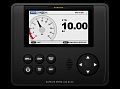
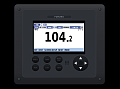
The laboratory simulates the operation of modern shipborne navigational equipment in the classroom with the necessary and sufficient degree of realism. It includes the following simulation software:
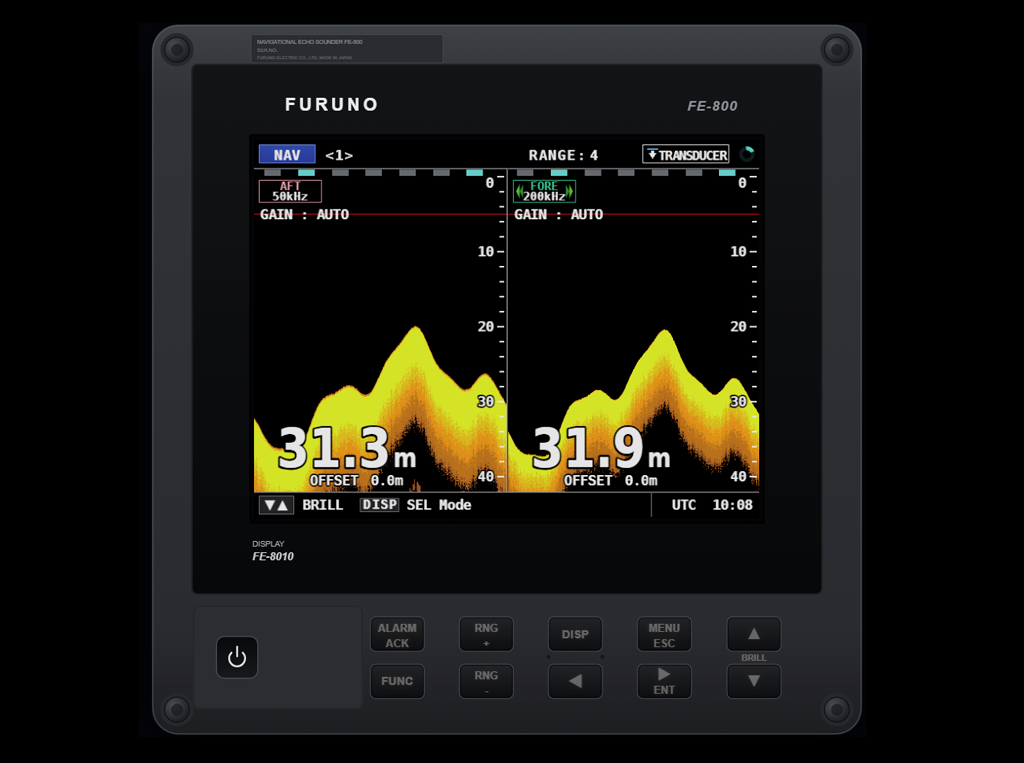
- Echo Sounder Simulation Software
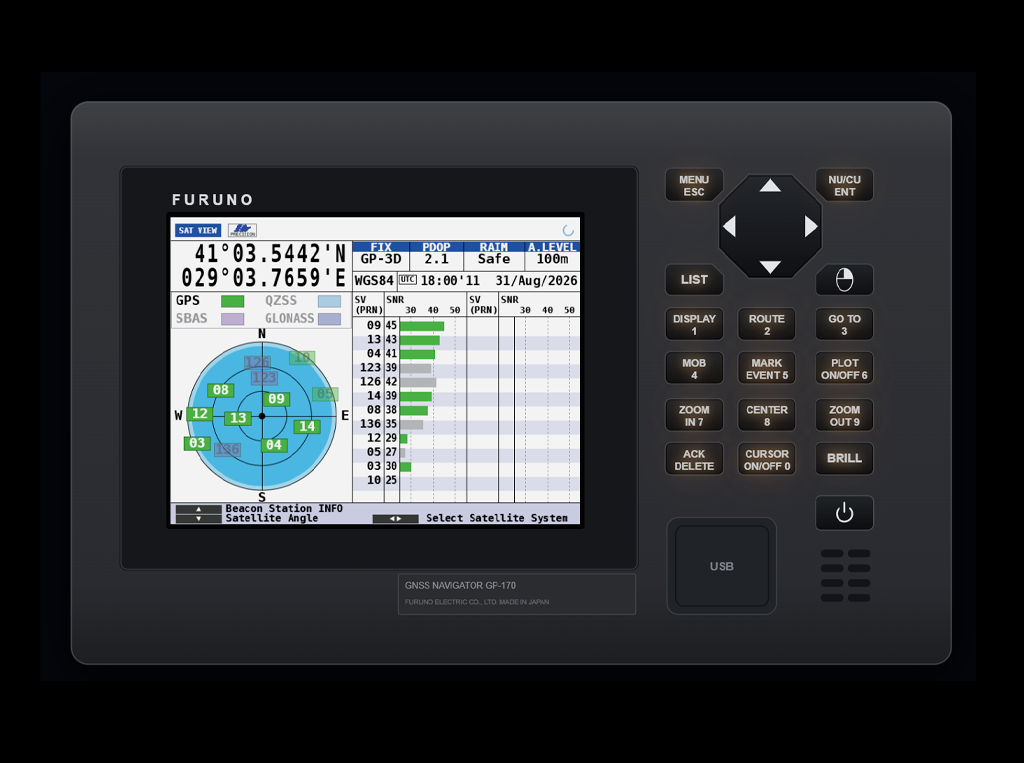
- GPS/GLONASS Receiver Simulation Software
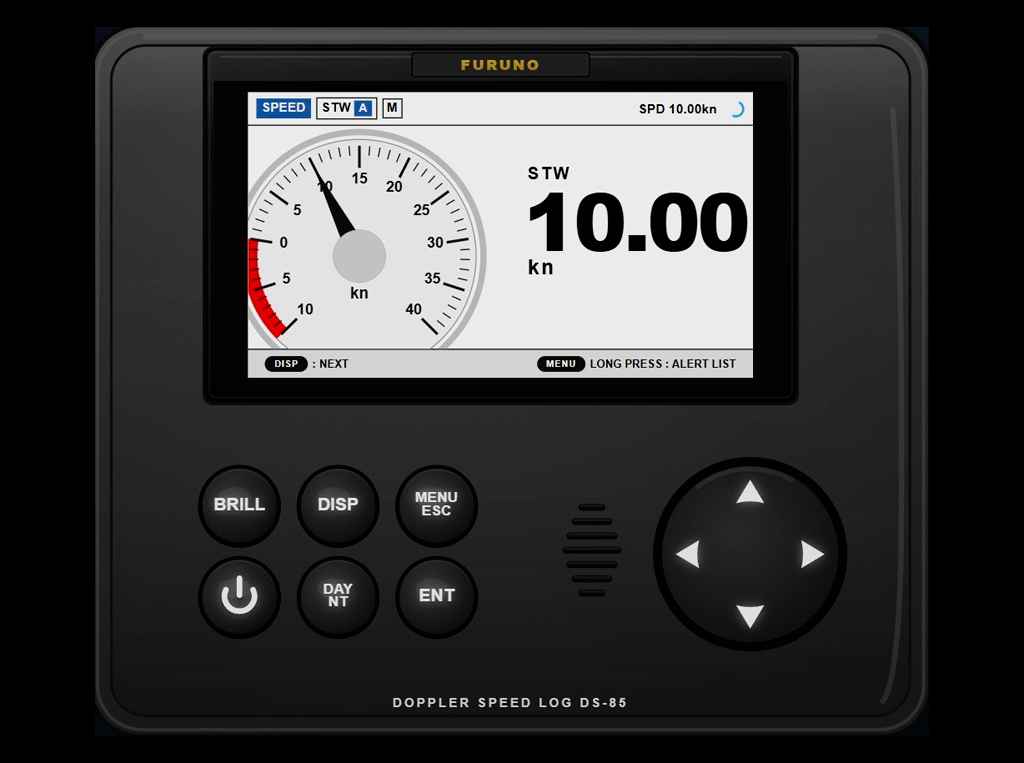
- Doppler Speed Log Simulation Software
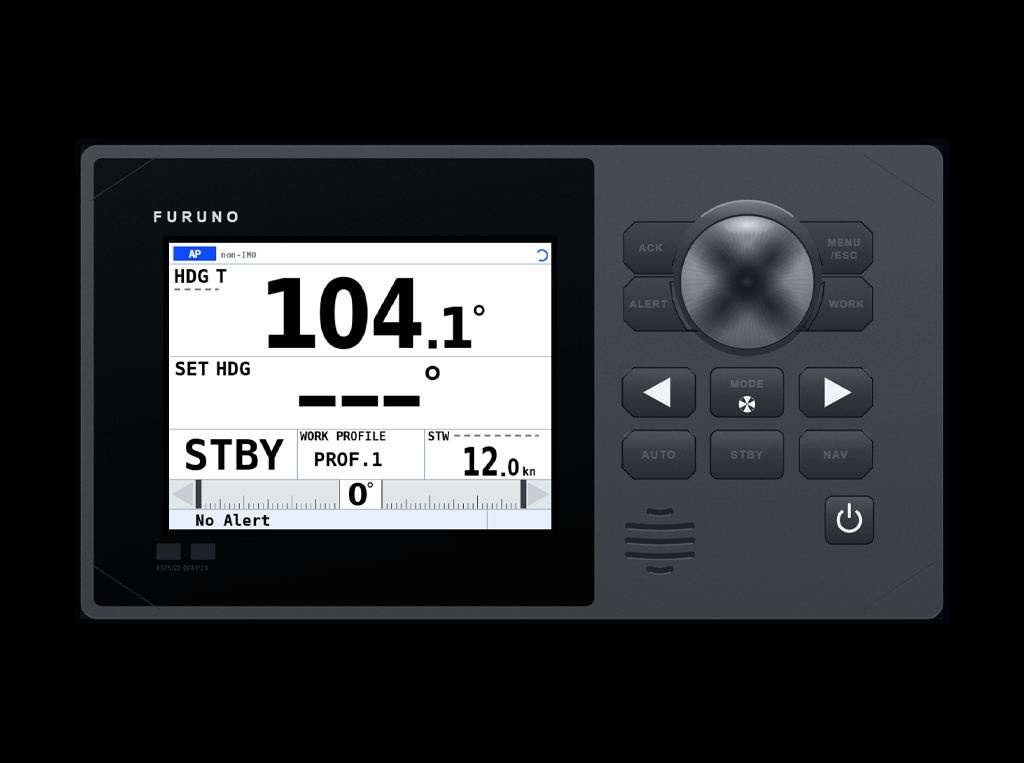
- Autopilot Simulation Software
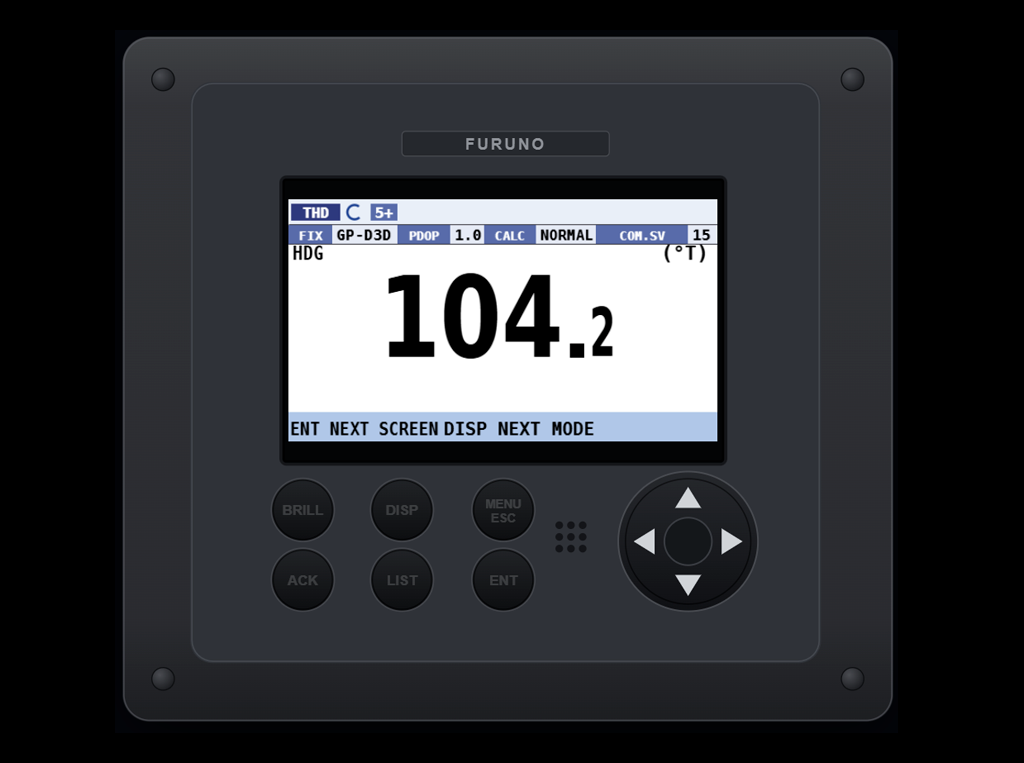
- Satellite Compass Simulation Software
The STCW Code recognizes approved laboratory equipment training as a method of demonstrating competence.
Advantages
Compared with real equipment installed in a classroom, the simulation software offers the following advantages:
- Navigational situations and equipment malfunctions can be reproduced.
- Time scaling: processes that take a long time on board can be reproduced within minutes of a lesson.
- Safe mistakes: no action by the trainee can damage the equipment.
- Any practical procedure can be repeated as many times as needed.
- All trainee actions during exercises are logged for debriefing and assessment of competence.
- Affordability for the training institution: the software runs on standard computers only. No special equipment needs to be installed and no maintenance service is required. A whole class can be trained at the same time.
The library is open-ended and is being expanded with simulation software for other equipment.
Components and Functions
Each Simulation Software package consists of:
- An interactive simulator – an exact replica of the real equipment. Cadets work with the same interface, controls, displays and menus, fully immersed in real operating procedures.
- An interactive textbook covering the operating principles of the equipment and the basics of its operation. The textbook includes clear visualization of the underlying physical processes, animated scenarios, demonstrations of situations on the simulator and self-assessment tests;
- A library of exercises for developing practical skills in operating the equipment. Exercises are performed on the simulator in three modes:
- assessment mode, without prompts;
- demonstration mode, in which the trainee observes the correct sequence of actions.
-
A section on the design of the equipment.
Regulatory Framework
STCW Code, Chapter II, Section A-II/1 “Mandatory minimum requirements for certification of officers in charge of a navigational watch on ships of 500 gross tonnage or more”, function “Navigation at the operational level”, competence “Plan and conduct a passage and determine position”, knowledge, understanding and proficiency:
- Electronic systems of position fixing and navigation
- Echo-sounders
- Compass – magnetic and gyro
- Steering control system
- Terrestrial and coastal navigation (dead reckoning, taking into account speed)
STCW Code, Chapter II, Section A-II/2 (masters and chief mates, management level), competences “Determine position and the accuracy of resultant position fix by any means” and “Determine and allow for compass errors”.
The laboratory can be used in training programmes based on IMO Model Course 7.03 “Officer in Charge of a Navigational Watch”.